
Hemp-Derived CBD Vape Carts: What You Need to Know Before Your First Purchase
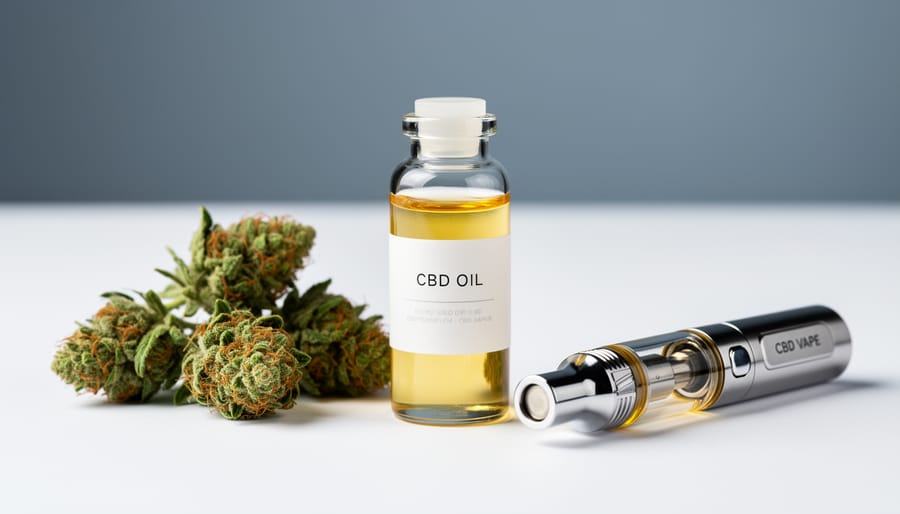
Hemp-derived CBD vape cartridges are pre-filled containers of cannabidiol oil designed for vaporizers, legally sourced from hemp plants containing less than 0.3% THC under federal law. You’ll find them at nearly every online hemp store and dispensary, marketed as a convenient way to experience CBD’s potential relaxation benefits without the high associated with marijuana. These products differ from cannabis vape carts primarily in their THC content and legal accessibility, which means they won’t produce psychoactive effects but may offer support for everyday stress, discomfort, and sleep challenges.
The growing popularity of CBD vape carts has created both opportunity and confusion. While the 2018 Farm Bill federally legalized hemp-derived CBD, state regulations vary wildly, and the lack of comprehensive FDA oversight means product quality ranges from excellent to potentially harmful. You might encounter full-spectrum carts (containing trace THC and other cannabinoids), broad-spectrum options (THC-free but with other hemp compounds), or CBD isolate products (pure cannabidiol only).
This guide walks you through everything you need to make informed decisions, whether you’re exploring CBD for the first time or looking to upgrade your current routine. We’ll cover how these cartridges work, what ingredients to look for (and avoid), how to verify third-party lab testing, and the real differences between budget and premium options. Most importantly, we’ll help you understand the safety considerations that matter in 2026, so you can choose products that align with your wellness goals without unnecessary risk.
Understanding Hemp-Derived CBD: The Basics
Hemp and marijuana both come from the Cannabis sativa plant, but they’re legally and chemically distinct. The key difference isn’t botanical, it’s the concentration of THC, the compound that produces the psychoactive “high” associated with marijuana. Hemp is legally defined as cannabis containing no more than 0.3% THC by dry weight while marijuana contains higher concentrations that can range from 5% to over 30% THC.
The 2018 Farm Bill changed everything for hemp-derived products. This federal legislation removed hemp from the Controlled Substances Act, making it an agricultural commodity rather than a controlled substance. Suddenly, hemp cultivation became legal across the United States, and products derived from legal hemp, including CBD extracts, could be manufactured and sold without violating federal drug laws.
When you see “hemp-derived CBD,” it means the cannabidiol was extracted from legally grown hemp plants that meet the THC threshold. This is what separates these products from marijuana-derived CBD, which comes from high-THC cannabis plants and remains federally illegal in most contexts. The source plant determines legality, not the CBD itself.
- Hemp
- Cannabis plants containing 0.3% THC or less by dry weight, federally legal under the 2018 Farm Bill.
- Marijuana
- Cannabis plants exceeding 0.3% THC, classified as a controlled substance under federal law.
- CBD (Cannabidiol)
- A non-intoxicating cannabinoid found in cannabis that interacts with the body’s endocannabinoid system.
- THC (Tetrahydrocannabinol)
- The primary psychoactive compound in cannabis responsible for the “high” effect.
- Full-Spectrum
- CBD products containing all naturally occurring cannabinoids, terpenes, and trace THC from the hemp plant.
- Broad-Spectrum
- Products with multiple cannabinoids and terpenes but with THC completely removed.
Understanding this distinction matters because hemp-derived CBD vape carts won’t get you high the way marijuana products will. They contain CBD as the primary cannabinoid, potentially alongside other beneficial hemp compounds, but lack the THC concentration needed for intoxication. This makes them appealing for people seeking potential wellness benefits without impairment, though you should always verify that products come from compliant hemp sources and include third-party lab reports confirming their cannabinoid profile.
How Hemp-Derived CBD Vape Carts Work
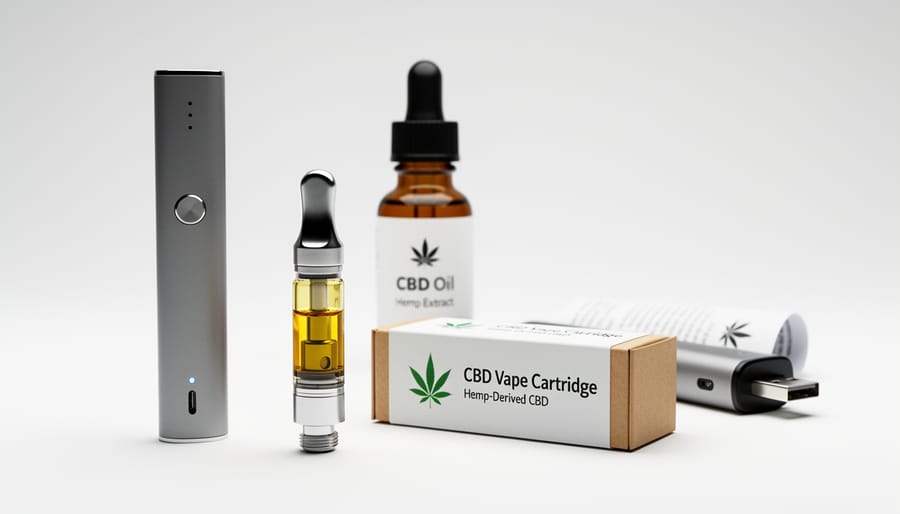
A hemp-derived CBD vape cart operates through a simple but effective mechanism that heats CBD oil just enough to create vapor without burning the material. Understanding this process helps you use these products safely and effectively.
At its core, a CBD vape cart consists of three essential components. The cartridge itself is a small reservoir that holds CBD oil mixed with thinning agents like propylene glycol or vegetable glycerin. Inside sits a heating element, typically a ceramic or metal coil that wraps around a wick. Finally, you need a battery, either built into a disposable unit or a separate rechargeable device that screws onto the cartridge.
When you press the button or draw on the mouthpiece, the battery sends power to the heating element. This raises the temperature of the coil to around 200-300°C, hot enough to vaporize the CBD oil but well below the combustion point where materials would burn. This distinction matters because combustion creates smoke filled with tar and carcinogens, while vaporization produces a cleaner aerosol containing primarily CBD and flavoring compounds.
As you inhale, the vapor travels through your mouth and into your lungs. The CBD molecules pass through the thin walls of your lung’s air sacs directly into your bloodstream. This delivery method offers significantly higher bioavailability than edibles, typically 40-50% compared to just 10-20% when swallowed. Your digestive system breaks down much of the CBD before it reaches your bloodstream, but inhalation bypasses this obstacle.
The onset time is equally impressive. Most people notice effects within 3-10 minutes, compared to 45-90 minutes for edibles or tinctures. This rapid action lets you adjust your dose more precisely, though the effects also fade faster, usually lasting 2-4 hours.
For newcomers exploring these products, a comprehensive CBD cartridges guide can clarify additional details about usage and selection. The key takeaway is that vaping CBD offers quick absorption and efficient delivery, making it a practical choice for those seeking timely relief without the harmful byproducts of smoking.
Types of Hemp-Derived CBD Vape Carts Available in 2026
Full-Spectrum CBD Carts
Full-spectrum CBD carts contain the complete profile of cannabinoids, terpenes, and other beneficial compounds found naturally in the hemp plant, including trace amounts of THC (always under the federally legal 0.3% limit). This comprehensive blend creates what researchers call the “entourage effect”, the theory that cannabinoids work more effectively together than in isolation. The minor cannabinoids like CBG and CBN, combined with aromatic terpenes, may enhance CBD’s effects through synergistic interaction.
These carts appeal most to users seeking maximum therapeutic potential from their CBD concentrates. The trace THC won’t produce intoxicating effects at legal levels, but it contributes to the entourage effect while potentially offering added benefits for sleep, discomfort, or stress relief.
However, full-spectrum isn’t ideal for everyone. If you face regular drug testing for work or sports, even trace THC could trigger a positive result. Those particularly sensitive to THC or living in states with stricter cannabis laws might prefer broad-spectrum or isolate options instead. For experienced CBD users wanting the most complete hemp experience, full-spectrum typically delivers the most robust effects.
Broad-Spectrum CBD Carts
Broad-spectrum CBD carts offer the benefits of multiple hemp-derived cannabinoids and terpenes without any detectable THC. Think of them as full-spectrum products with the THC completely removed through additional processing steps after extraction.
This makes broad-spectrum the go-to choice if you’re subject to workplace drug testing or live in a state where any THC content raises legal concerns. It’s also ideal if you’ve experienced anxiety or discomfort from THC in the past, even in trace amounts.
You’ll still get minor cannabinoids like CBG, CBN, and CBC working together, which many users find more effective than pure CBD alone. The terpene profiles remain intact too, providing the aromatic compounds that contribute to different effects and flavors.
The trade-off is a slightly higher price point than isolate products, since the extra refinement process costs more. Lab reports become especially important here to verify zero THC content, as definitions of “non-detectable” can vary between manufacturers.
CBD Isolate Carts
CBD isolate carts contain pure cannabidiol extracted and refined to remove all other cannabinoids, terpenes, and plant compounds. You’re getting CBD and nothing else, typically 90-99% pure in the final formulation.
This simplicity makes isolate carts ideal if you’re new to CBD and want to understand how cannabidiol alone affects you, without the complexity of other compounds. They’re also the best choice for anyone subject to strict drug testing, since there’s zero risk of trace THC showing up in screening.
The downside is you won’t experience the entourage effect that full-spectrum users report. Some people find isolate less effective overall, though others prefer the clean, predictable experience. Effects tend to be subtle and focused, many users describe mild relaxation without the layered sensations that terpenes and minor cannabinoids can provide.
Isolate carts are usually the most affordable option and come in various added flavors, since the base oil lacks natural cannabis taste.
Legal Status and Regulations: What’s Changed by 2026
The 2018 Farm Bill fundamentally changed the landscape for hemp-derived CBD by removing hemp (cannabis with less than 0.3% THC) from the Controlled Substances Act, making it federally legal to produce, sell, and possess. Since then, the regulatory environment has continued to evolve, and by 2026, we’ve seen both clarifications and complications that every consumer should understand before making a purchase.
At the federal level, hemp-derived CBD vape carts remain legal provided they contain no more than 0.3% delta-9 THC on a dry weight basis. The FDA has maintained its position that CBD cannot be added to food products or marketed as dietary supplements, but vape products exist in a somewhat separate category under tobacco and nicotine regulations. This means reputable manufacturers must comply with standards around how CBD carts are made including good manufacturing practices and accurate labeling, though FDA approval isn’t required for the CBD component itself.
Warning: Federal legality doesn’t guarantee that hemp-derived CBD vape carts are legal in your state, several states maintain restrictions or outright bans, so always verify your local laws before purchasing.
State regulations present the most significant challenge for consumers in 2026. While many states have embraced the federal framework and allow hemp-derived CBD products without additional restrictions, others have implemented their own rules. Some states require specific licensing for retailers, additional testing standards beyond what federal law mandates, or age restrictions that vary from 18 to 21. A handful of states have maintained prohibitions on all CBD products or only allow them through medical marijuana programs, regardless of the hemp-derived distinction.
Before purchasing, verify three things: your state’s current stance on hemp-derived CBD, whether your city or county has local ordinances that differ from state law, and what the seller’s shipping policies indicate about legal compliance. Reputable retailers typically won’t ship to states where products aren’t clearly legal, but this safeguard isn’t universal. When traveling, remember that CBD vape carts legal in your home state might not be legal at your destination, and TSA agents follow federal law but may defer to local authorities.
The regulatory landscape continues shifting, so checking current regulations rather than relying on outdated information is essential for staying on the right side of the law.
Safety Considerations and Quality Standards
Your safety matters more than saving a few dollars on a vape cart. When shopping for hemp-derived CBD products, understanding quality standards can mean the difference between a beneficial experience and potential health risks.
The vitamin E acetate crisis of 2019 taught the vaping community a harsh lesson. This cutting agent, once common in low-quality cartridges, caused serious lung injuries and deaths. While regulations have tightened since then, the responsibility still falls on you to verify what you’re inhaling. Reputable manufacturers use only safe carrier oils like MCT oil or food-grade vegetable glycerin and propylene glycol.
Third-party lab testing is your safety checkpoint. Every legitimate CBD vape cart should have a certificate of analysis (COA) available through a QR code on the package or the manufacturer’s website. These lab reports confirm cannabinoid content, verify THC levels stay under the legal 0.3% threshold, and screen for pesticides, heavy metals, residual solvents, and microbial contaminants. If a brand can’t or won’t provide recent COAs for the specific batch you’re buying, walk away.
Look for manufacturing transparency as well. Companies following Good Manufacturing Practices (GMP) or operating in cGMP-certified facilities demonstrate a commitment to quality control. The best brands openly share where they source their hemp, how they extract CBD (CO2 extraction is the gold standard), and what ingredients go into their formulations.
Red flags should stop you from purchasing. These include suspiciously low prices that undercut the market, no batch-specific lab results, vague ingredient lists, exaggerated health claims (CBD is not FDA-approved to treat medical conditions), poor reviews mentioning strange tastes or adverse effects, and packaging that looks unprofessional or lacks proper labeling.
Pay attention to the hardware itself. Quality cartridges use medical-grade materials, typically ceramic or glass for the heating element and tank rather than cheaper metals that can leach into the vapor. The threading should be sturdy, the mouthpiece should feel solid, and there should be no visible leaks or discoloration in the liquid.
Whether you’re exploring CBD for sleep support or general wellness, starting with safety-first brands might cost more upfront but protects your health long-term. Your lungs deserve products manufactured with the same care you’d expect from any wellness product you put in your body.
Choosing the Right CBD Vape Cart for Your Needs
Selecting the right CBD vape cart depends on matching the product to your specific wellness goals and experience level. First, clarify what you’re hoping to achieve. If you’re seeking relaxation after a stressful day, a lower-potency full-spectrum cart with calming terpenes like linalool or myrcene might suit you. For sleep support, look for higher-potency options marketed for nighttime use, often containing terpenes associated with sedation. General wellness users who want subtle daily support typically do well with moderate-potency broad-spectrum carts.
Potency matters significantly. CBD content in vape carts ranges from around 200mg to over 1000mg per cartridge. Here’s how to think about potency based on your situation:
| Potency Level | CBD Content | Best For | User Type |
|---|---|---|---|
| Low | 200-400mg | General wellness, daytime use | Complete beginners |
| Medium | 500-700mg | Stress relief, moderate support | Some vaping experience |
| High | 800mg+ | Sleep issues, significant needs | Experienced users |
If you’re new to both CBD and vaping, start with a lower-potency cart and consider checking out vaping tips for newbies to build confidence with the hardware itself. You can always increase potency later, but starting too strong may lead to disappointment or waste.
Flavor preferences are personal but important for daily use. Natural hemp flavor appeals to some, while others prefer fruit, mint, or dessert-inspired terpene blends. Many brands offer sample sizes if you’re unsure.
Budget considerations are straightforward: quality carts with third-party testing typically cost $30-60. Cheaper options under $20 often cut corners on testing or use lower-grade ingredients. A mid-range cart from a reputable brand offers the best value for most buyers, balancing safety with affordability. Don’t sacrifice lab testing to save a few dollars.
How to Use Hemp-Derived CBD Vape Carts Properly
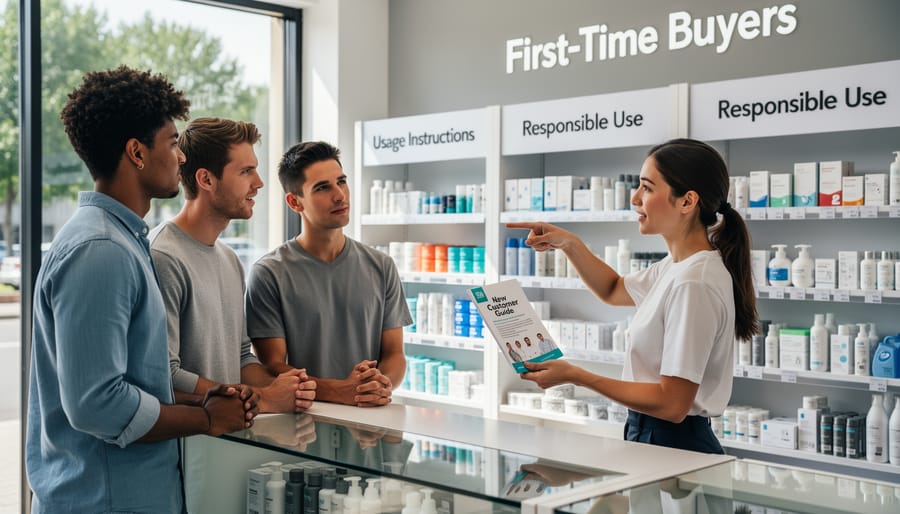
Getting started with a hemp-derived CBD vape cart is straightforward once you understand the basics. Here’s what you need to know to use your cart safely and effectively.
Setting Up Your Cart
First, ensure you have a compatible battery. Most CBD carts use the standard 510-thread connection, which screws onto the battery. Attach the cart by gently twisting it clockwise until snug, don’t overtighten, as this can damage the threading or crack the cart’s base.
If your battery has adjustable voltage settings, start at the lowest level (typically around 2.4-2.8V). Higher temperatures can produce harsher vapor and potentially degrade cannabinoids and terpenes. Many users find that lower temps preserve flavor and provide a smoother experience.
Proper Inhalation Technique
Unlike smoking cigarettes, vaping CBD works best with slow, gentle draws. Press the button (if your battery requires it) and inhale slowly for three to five seconds. Draw the vapor into your mouth first, then inhale it into your lungs. Hold briefly, a second or two is enough, then exhale.
Avoid taking rapid, forceful pulls. This doesn’t increase effectiveness and often leads to coughing or wasting product.
Starting Low and Finding Your Dose
Begin with one or two small puffs, then wait 15-30 minutes to gauge effects. CBD’s onset is quicker through vaping than edibles, but individual responses vary based on body weight, metabolism, and experience with cannabinoids. You can always take more, but you can’t un-take what you’ve already inhaled.
New users sometimes expect dramatic, immediate sensations. CBD’s effects are typically subtle, a sense of calm or reduced tension rather than an obvious high.
Battery Care and Maintenance
Keep your battery charged but avoid leaving it plugged in overnight repeatedly, as this degrades battery life. Store the battery upright when possible to prevent oil from leaking into the connection point.
Clean the battery’s threading occasionally with a cotton swab and isopropyl alcohol to remove residue that can interfere with the connection.
Storage Tips
Store your cart upright in a cool, dark place. Heat and sunlight can degrade cannabinoids and cause the oil to thin, potentially leading to leaks. Avoid leaving carts in hot cars or windowsills.
Recognizing When Your Cart Is Empty
You’ll know your cart is nearly depleted when vapor production drops noticeably, flavor diminishes, or you taste a burnt flavor. Stop using the cart immediately if you detect burning, continuing to heat an empty cart can damage the coil and produce unpleasant, potentially harmful vapor.
Potential Benefits and What the Research Says
Hemp-derived CBD has attracted attention for a range of potential wellness benefits, but it’s crucial to separate what research actually supports from marketing hype. While many users report positive experiences, the scientific evidence varies in strength depending on the specific claim.
The most robust research exists for CBD’s potential role in managing anxiety and stress. Several small studies suggest that CBD may influence serotonin receptors in ways that could help reduce anxiety symptoms, though most controlled trials have used higher doses than what’s typically found in vape carts. Users often report feeling calmer and more relaxed after vaping CBD, which aligns with these preliminary findings, but individual responses vary considerably.
Note: CBD is not FDA-approved to treat, cure, or prevent any medical condition. If you’re considering CBD for health concerns, consult with a healthcare provider first.
Sleep support is another commonly reported benefit, though the evidence here is more mixed. Some research indicates that CBD might help with sleep quality by addressing underlying issues like anxiety or discomfort that interfere with rest, rather than acting as a direct sedative. The relationship between CBD and sleep appears complex, with some studies suggesting lower doses may actually promote alertness while higher doses encourage relaxation.
For general wellness and inflammation, the picture becomes less clear. While CBD has demonstrated anti-inflammatory properties in laboratory settings, translating these findings to real-world benefits for everyday aches and general wellbeing requires more research. Many users incorporate CBD into their wellness routines alongside other healthy habits, making it difficult to attribute specific outcomes to CBD alone.
Vaping CBD offers faster onset than edibles or tinctures since it enters your bloodstream through the lungs, typically within 5-15 minutes. This makes it appealing for situational use when you want relatively quick effects, but it also means those effects may not last as long as other consumption methods.
Set realistic expectations. CBD is not a miracle cure, and it won’t work the same way for everyone. Think of it as one potential tool in your wellness approach rather than a standalone solution.
Common Mistakes and How to Avoid Them
Starting with hemp-derived CBD vape carts can feel overwhelming, and newcomers often stumble over the same preventable mistakes. Knowing what to watch out for saves you money, frustration, and potential safety issues.
The biggest error? Buying from questionable sources. Gas stations, unverified online shops, and vendors without clear contact information frequently sell products with inaccurate labeling or harmful additives. Stick to reputable retailers who openly display third-party lab results. If a brand makes it difficult to access their certificates of analysis, that’s your cue to shop elsewhere.
Many first-timers also skip reading lab reports entirely. These documents confirm cannabinoid content, verify THC levels stay under the legal 0.3% threshold, and screen for pesticides, heavy metals, and residual solvents. Taking five minutes to review this information protects you from low-quality or contaminated products.
Another common pitfall is overdoing it right away. CBD won’t get you high, but taking excessive amounts can cause drowsiness, dry mouth, or upset stomach. Start with one or two small inhalations and wait fifteen to twenty minutes before deciding if you need more. Your tolerance and ideal dose develop over time.
Confusing CBD products with THC-dominant cannabis remains surprisingly common, especially with similar packaging. Always verify you’re purchasing a hemp-derived product with less than 0.3% THC if you’re seeking non-intoxicating effects or need to avoid THC for legal or employment reasons.
Finally, neglecting basic device care shortens your cart’s lifespan and affects vapor quality. Store carts upright in a cool, dark place, keep the battery charged but not constantly plugged in, and clean connection points gently with a cotton swab when buildup appears. These simple habits prevent clogs, leaks, and burnt-tasting hits.
Hemp-derived CBD vape carts have carved out a legitimate space in the wellness and smoking cessation landscape of 2026. If you’ve made it through this guide, you’re already ahead of most first-time buyers in understanding what separates quality products from questionable ones.
Your best defense against disappointment or safety issues is simple: prioritize verified lab testing, buy from reputable vendors, and start with lower potencies until you understand how your body responds. Whether you’re exploring CBD for stress management, better sleep, or as a tool to move away from combustible tobacco, there’s no rush to figure everything out immediately.
Remember that full-spectrum, broad-spectrum, and isolate options each serve different needs. Your ideal choice depends on your comfort level with trace THC, your specific wellness goals, and whether you might face drug testing. Don’t let marketing hype override your personal requirements.
The legal landscape continues to evolve, so staying informed about your state’s regulations protects you from unnecessary complications. Quality matters more than price, and skipping the lab report review isn’t worth the risk.
This community exists without judgment. Some people find CBD transformative for their routines, while others experience subtle effects or none at all. Both experiences are valid. What matters is that you’re making informed choices based on accurate information rather than guesswork or flashy packaging. Take your time, ask questions, and trust your own experience as you explore what works for you.